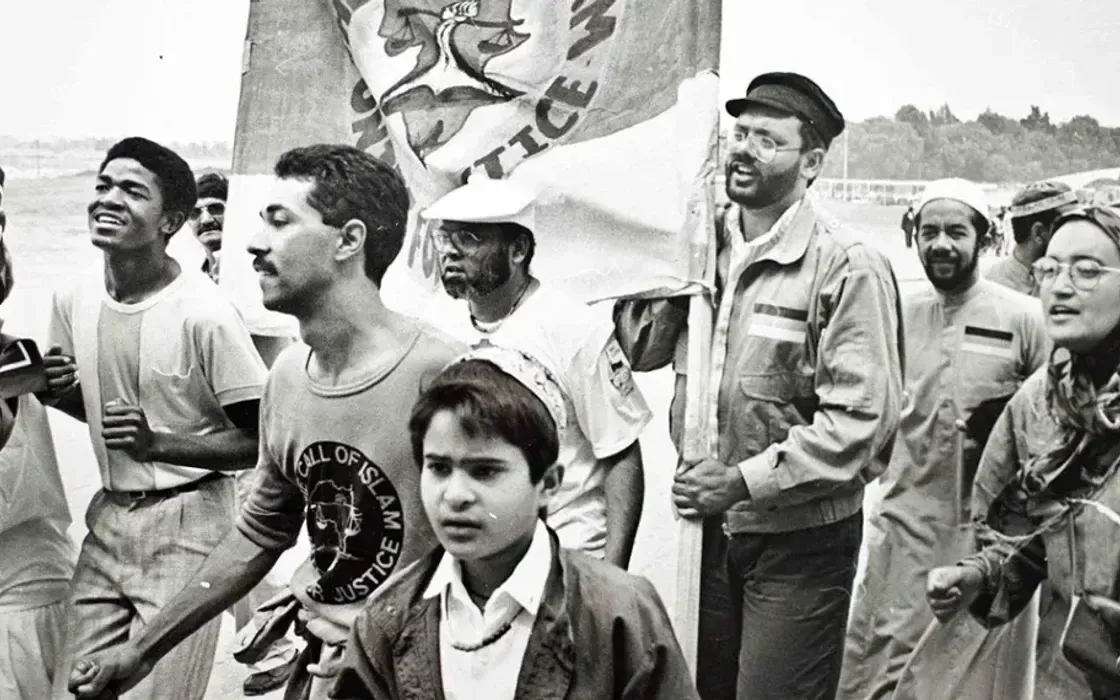
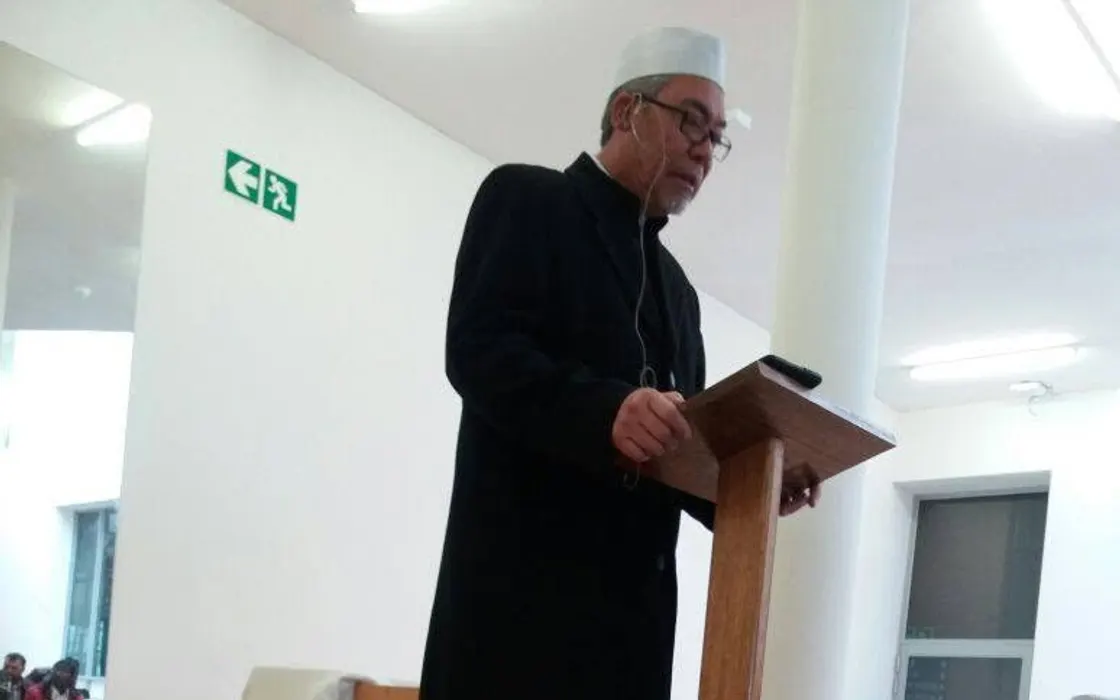
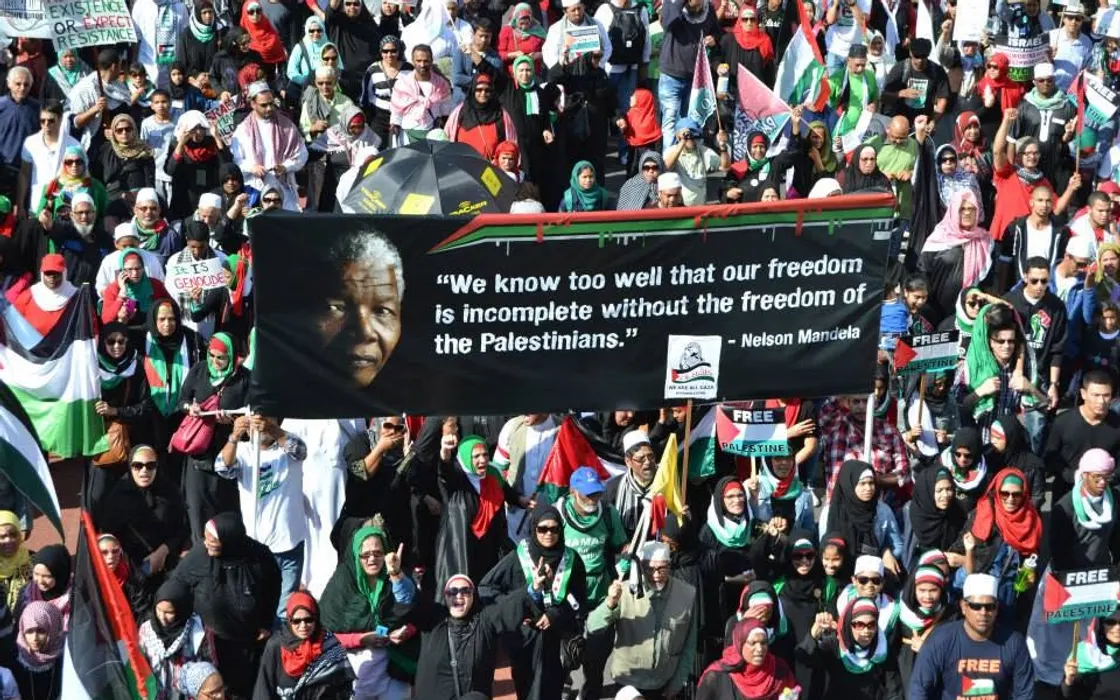
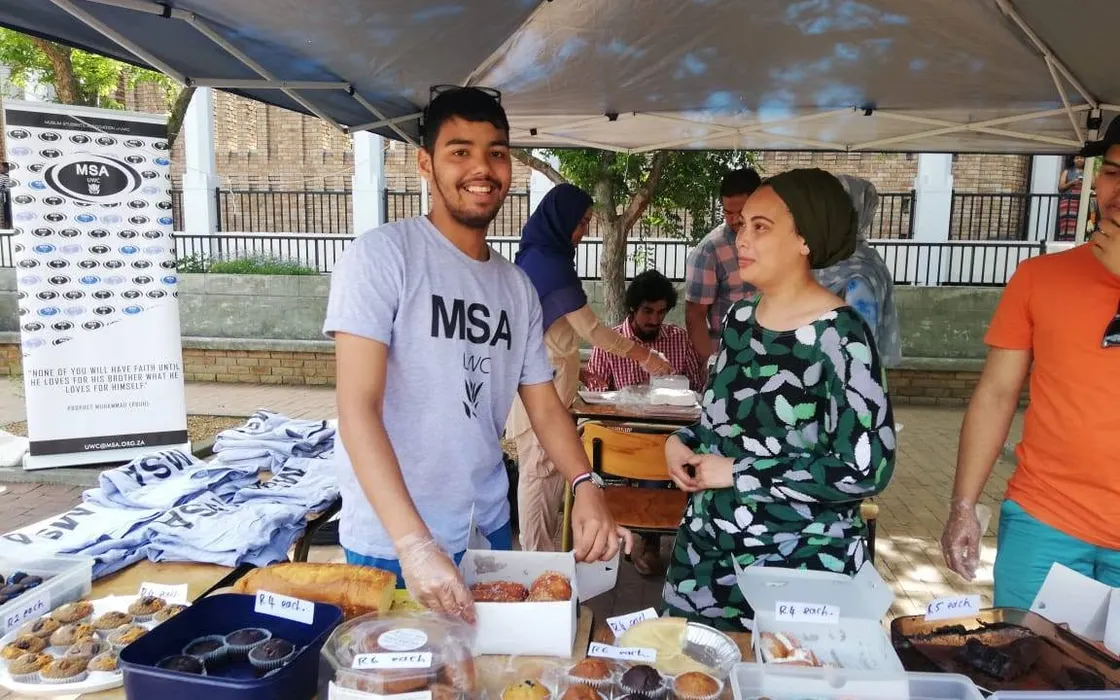
By the early 1990s the national structure had collapsed. Every campus still had its Islamic Society or MSA, but nothing joined them. There was a brief revival around the first democratic election: in 1994 the Islamic Society at Durban-Westville put the ANC, AZAPO, the ACDP, the PAC and the African Muslim Party on one panel under the title Where shall we place our vote?, and MSA members served as voter marshals. After the election the activists were absorbed into the new politics and, as one member put it, the student bodies found it hard to stay relevant.
The rebuilding began in Gauteng. Between 1998 and 1999 the MSAs at Wits, the Wits medical school, the Rand Afrikaans University, the health-science students and the University of Pretoria formed MSA Gauteng, launched in 1999; a group in KwaZulu-Natal met the same year to revive theirs. When the Rhodes and Potchefstroom MSAs asked to join, the Gauteng body was renamed the MSA Union, an umbrella with a two-year executive over the one-year campus committees. Muhammad Cajee, Taahir Hoorzook, Zahed Ghoor, Humza Carrim, Mohamed Nanabhay and Mikaeel Collier were among the students who drove across the country's campuses laying the foundation. The MSA Union was formalised in September 2001, and its first structure adopted in 2003. Its officials are elected from the leaders of the campus MSAs, as they still are.
In 2001 the MSA at the University of Natal in Durban started a monthly newsletter, The Message, edited by Bilal Randeree and Mariam Jhaveri. By 2003 it was a full-colour magazine, still produced in Durban but written and read nationally. In KwaZulu-Natal the campus bodies had always been called Islamic Societies rather than MSAs; from 2003 they took the MSA name too, so that one name covered every campus.